

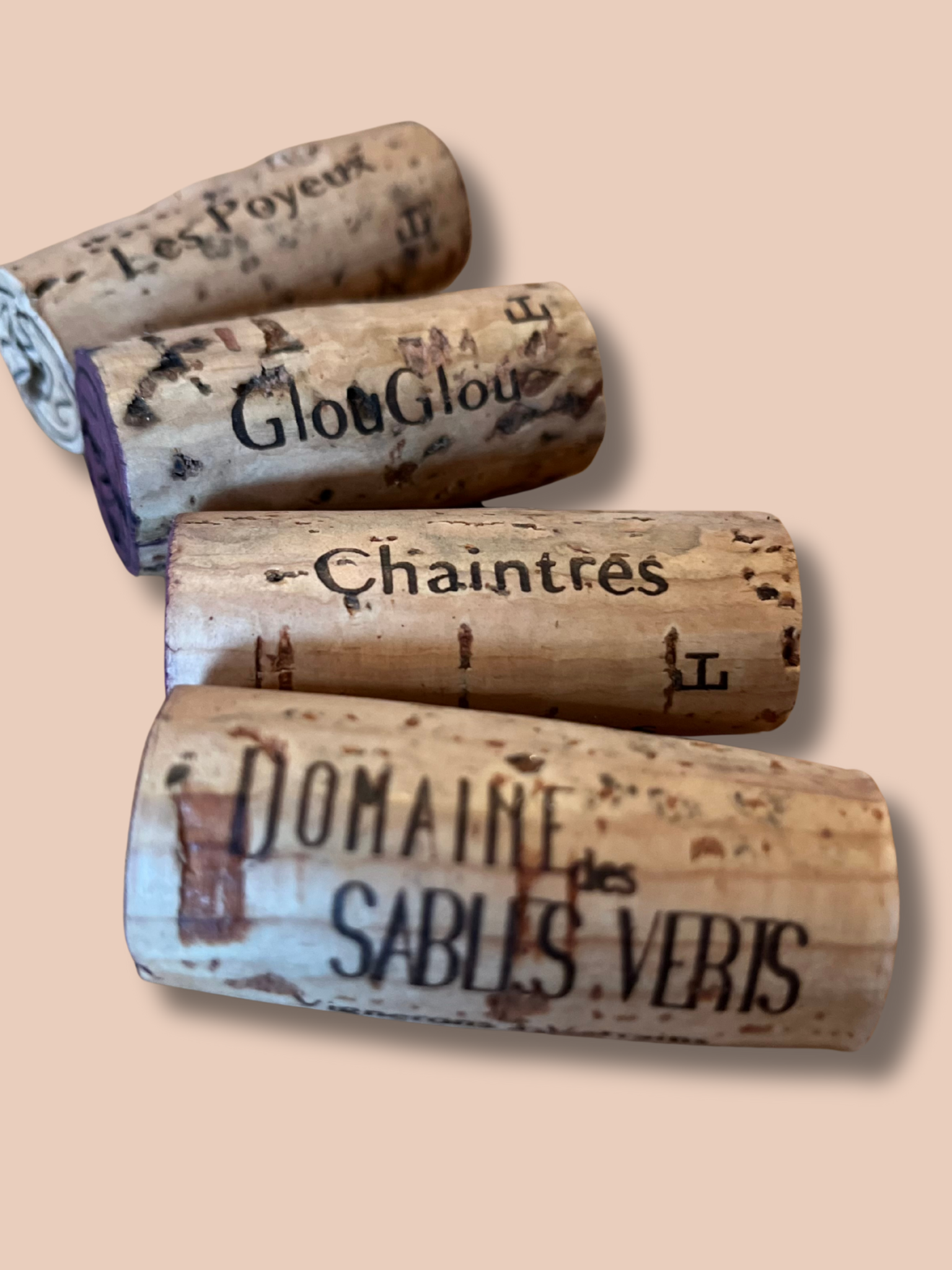
If you’ve ever wondered why most French wines still come sealed with a cork, even as the rest of the world turns to screw caps, the answer is part science, part story.
The Practical Side
Screw caps were designed to fix a real problem, cork taint, a compound (TCA) that can spoil a small percentage of wines sealed under natural cork. They also create an almost perfect seal, which keeps wines fresh and consistent. That’s why screw caps are ideal for crisp, aromatic whites and rosés designed to be enjoyed young.
Corks, by contrast, allow a slow exchange of oxygen, helping more complex wines develop character and depth over time. For reds that are built to age, think Bordeaux, Rhône, or Burgundy, that tiny breath of air is part of the magic.
The French Perspective
For French winemakers, cork isn’t just a closure. It’s a symbol of heritage. The cork oak forests of Portugal and southern France have supplied the wine trade for centuries, and the ritual of pulling a cork is deeply tied to the culture of wine itself. The sound, the ceremony, even the small imperfections, they all remind you that what’s in your glass is alive, crafted, and human.
The Middle Ground
Today, some younger French producers are open to screw caps for their early-drinking cuvées, especially in regions like Beaujolais and the Loire Valley. But for the majority, cork remains a mark of authenticity, the finishing touch on wines made to tell a story, not just fill a glass.
The Verdict
Neither closure is “better” in every case. Screw caps are reliable and modern; corks are romantic and traditional. The right choice depends on the wine and how it’s meant to be enjoyed.
So if you’re drinking a French wine under cork, take a moment before that first pour — what you’re opening is more than a bottle. It’s centuries of craft, sealed with tradition.
Share:
To Cellar or Not to Cellar | Vintrepid Wine Advice
Why Subscribe to a Wine Club Instead of Buying Off the Shelf